
Moving to NYC? Skip Times Square and Start Here
Skip the tourist crowds. A newcomer’s guide to Brooklyn’s Flea, Queens’ food trains, Prospect Park, the subway and what to check before you rent in NYC.
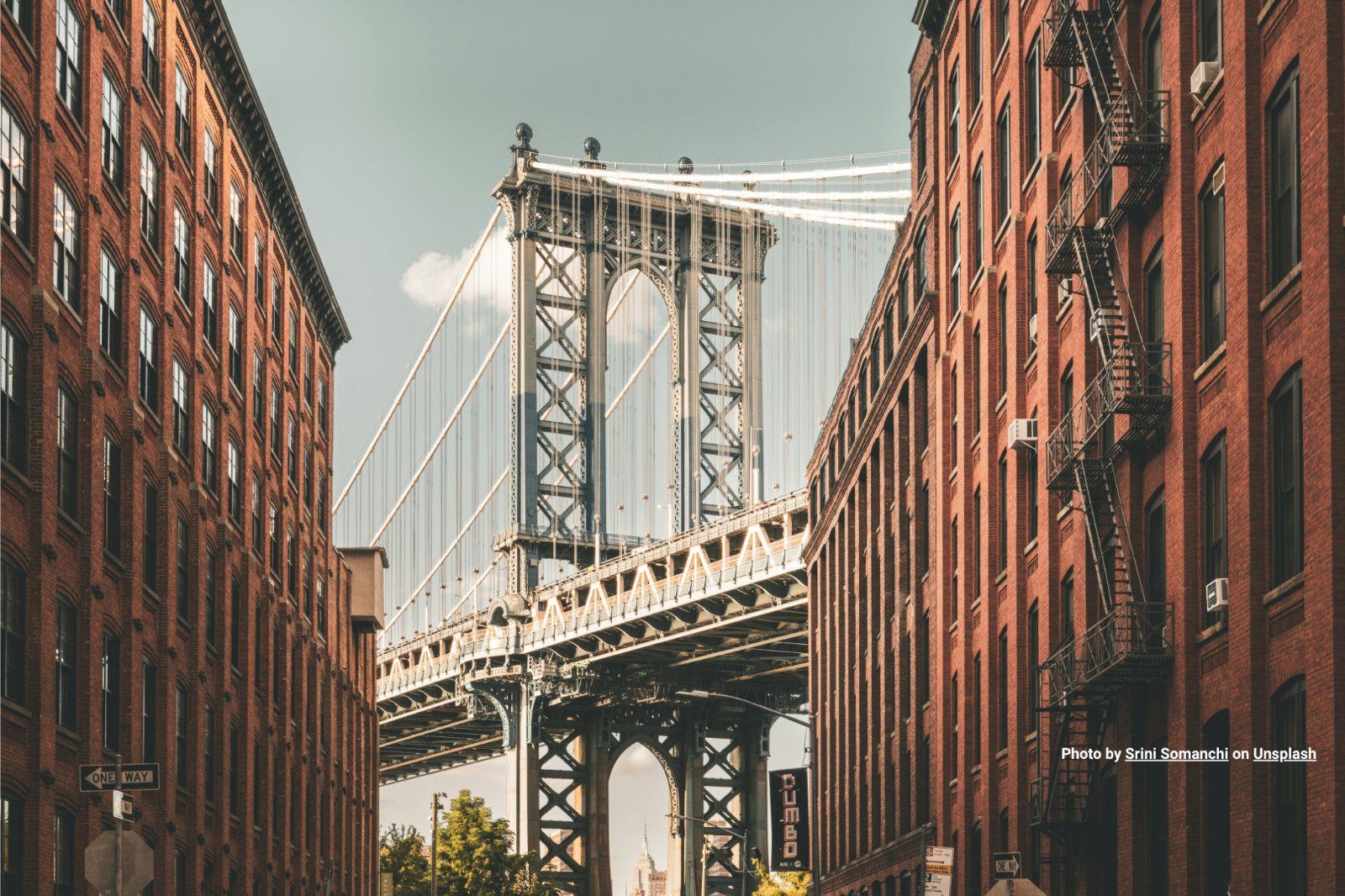
There's a version of New York that fits on a postcard, and there's the one you actually end up living in. The second one is less photogenic. It's a Saturday market tucked under a bridge in Brooklyn, a night market in Queens where a plate of food costs about six dollars, and a long green lawn in Prospect Park where half the neighborhood is stretched out on blankets doing very little.
This guide is for people who are about to move here, or who just did. It covers the boroughs outside Manhattan, a Saturday you can copy almost exactly, where to eat in Queens, how to ride the subway without feeling lost, a few ways to meet people, and a short checklist for when you start looking at apartments. The market schedules and fares below were checked in November 2026. Things change, so confirm the details with the official sources at the bottom before you head out.
Four boroughs, four different moods
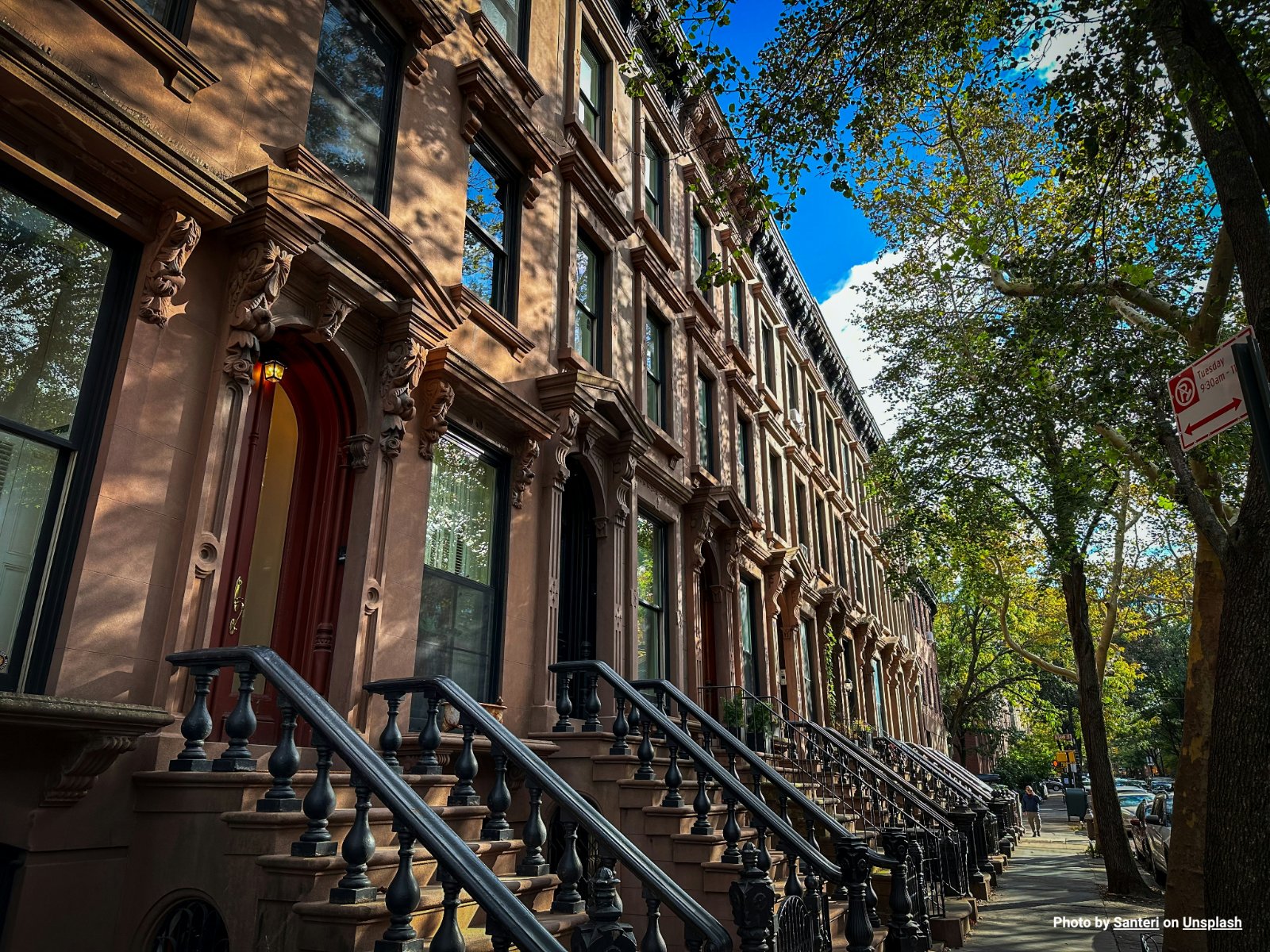
Manhattan gets the postcards, but most New Yorkers live in the other four boroughs. Brooklyn and Queens are the biggest, with roughly 2.7 million and 2.4 million residents. Here's a quick sketch of each. It's a starting point, not a verdict, because the feel of a neighborhood can change a lot within a few blocks.
Brooklyn is less a single place than a collection of neighborhoods, each with its own main street, its own coffee shops and its own idea of a good Saturday. You'll find brownstone blocks, weekend markets and one very large park. It suits you if you want to walk to most of what you need. The catch is cost. Williamsburg, Dumbo and Park Slope are among the pricier corners of the borough, so look at real listings before you fall for a neighborhood.
Queens is the one to explore if food is high on your list. It's spread out, and neighborhoods tend to gather around a train line and a food strip, which means the line you live near decides your commute. It's often described as one of the most diverse places in the country, and the restaurants back that up.
The Bronx has big parks, a strong local identity, the Italian groceries on Arthur Avenue and Yankee Stadium. Plenty of renters look here when they want more room for their budget, though you should compare actual listings instead of assuming. Pay attention to the nearest subway stop, and to whether it's express or local, because that can change your commute a lot.
Staten Island runs at a suburban pace. There's a free ferry to Lower Manhattan, and while there's no subway, the Staten Island Railway and buses cover the island. Some residents rely on a car. It's worth a look if you want quiet streets, but test the commute before you commit.
One Saturday in Brooklyn: the Flea, then Prospect Park
This plan works for a first weekend or a fifth. It uses a single train line and needs almost no planning, which is the best kind of plan when you've just moved and everything else is still unpacked.
Start at the Brooklyn Flea in Dumbo. The Flea sets up under the Manhattan Bridge archway on weekends, from 10 a.m. to 5 p.m. It generally runs from spring through the holiday season, so check the official schedule before you go. You'll find vintage clothing, furniture, jewelry and handmade goods. The Flea started in Fort Greene in 2008 and has moved around Brooklyn over the years. Bring a card, but keep a little cash on you too. If you're hunting for furniture, get there early, since you'll have more to choose from.
The nearest train is the F to York Street, or the A/C to High Street. Either way it's a short walk. Since you're already in Dumbo, it's worth strolling over to Brooklyn Bridge Park for the skyline views and Jane's Carousel before you move on.
Then ride to the park. From York Street, the F runs straight to 15 St–Prospect Park, so there are no transfers to puzzle over. If you'd rather skip the Flea and start the day with produce and bread, the Grand Army Plaza Greenmarket runs on Saturdays at the park's main entrance. Take the 2 or 3 train to Grand Army Plaza.
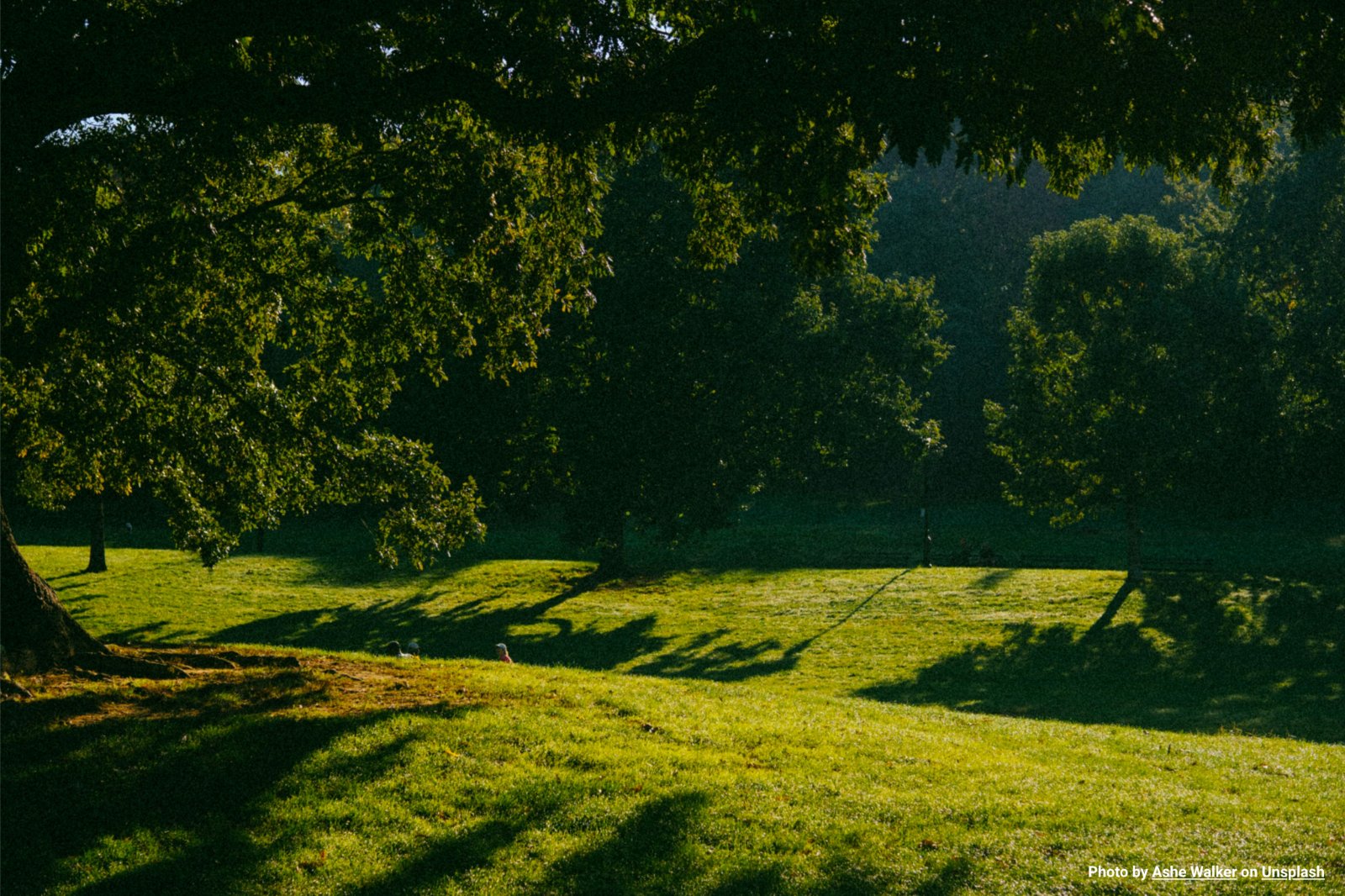
Spend the afternoon in Prospect Park. Frederick Law Olmsted and Calvert Vaux designed it after they finished Central Park, and it covers roughly 500 acres. The centerpiece is the Long Meadow, around 90 acres of open lawn where people picnic, throw frisbees or lie there and watch the clouds. The Ravine is a wooded area that feels surprisingly far from the city. And the loop road, about three and a half miles around, is closed to cars, so you can walk, run or cycle it at whatever speed suits you.
Pack a blanket, some water and a snack. Once you're inside, you honestly don't need a plan.
Eating your way through Queens
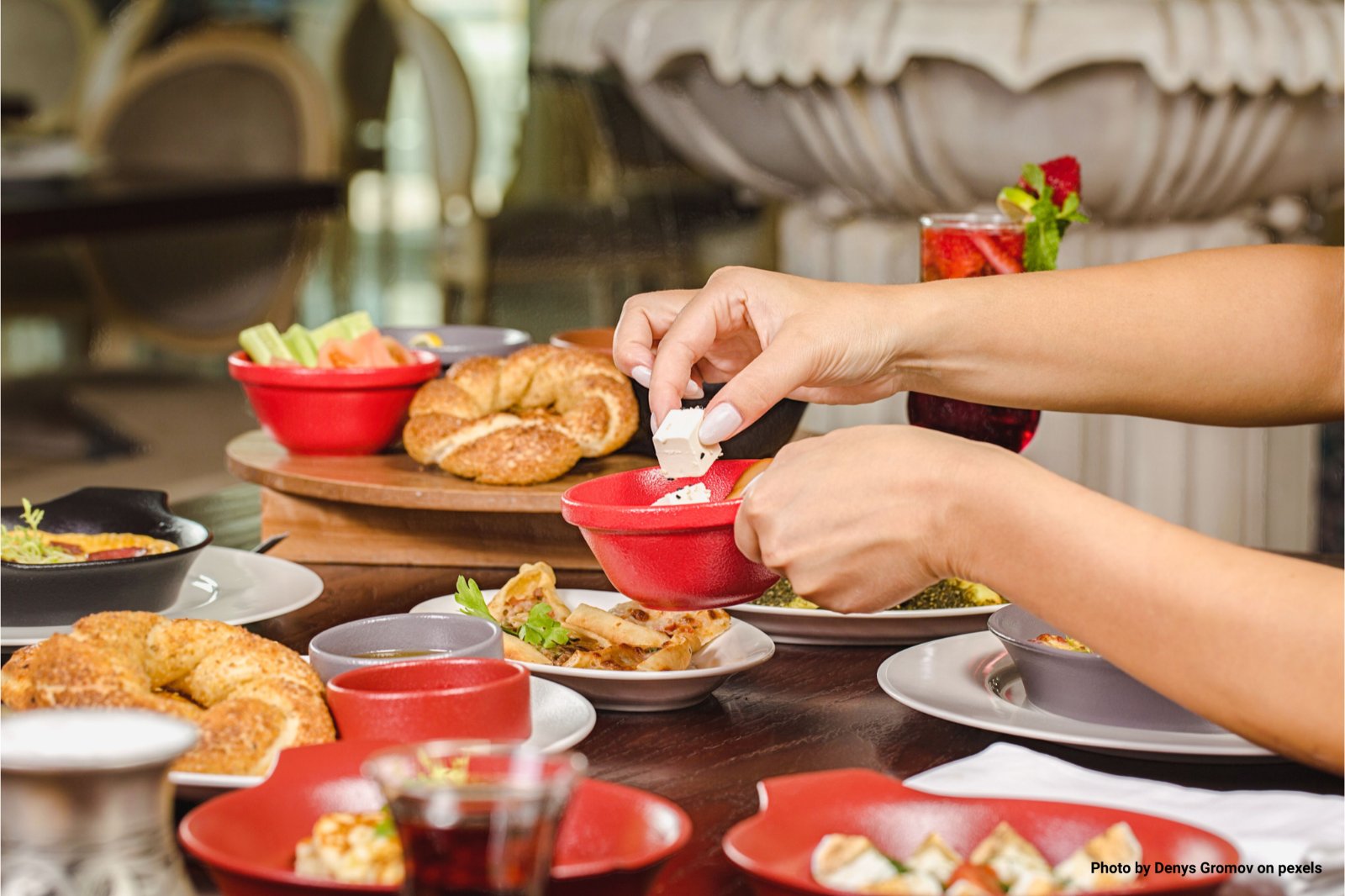
Hundreds of languages are spoken across New York City, and a good share of them are on the menu in Queens. For a newcomer, the handy part is that the food often follows the train lines. The 7 is the clearest example, and it's often nicknamed the International Express.
Flushing (7 to Main St): Chinese regional cooking, plus Korean and Taiwanese spots. Look for hand-pulled noodles, soup dumplings and lamb skewers.
Jackson Heights (7 to 74 St–Broadway): South Asian, Tibetan and Colombian food. Think momos, arepas, chaat and plenty of bakeries.
Woodside (7 train): Filipino bakeries and Thai restaurants, many of them near the elevated tracks.
Astoria (N or W): Greek and Egyptian food, with Astoria Park nearby for a waterfront walk once you've eaten.
Pick one neighborhood per trip. Walk a few blocks, follow the lines of locals, and order one thing at each place before moving on. That way you can sample a lot without feeling stuffed by the second stop. Carry a little cash in case a counter doesn't take cards.
Queens Night Market is one of the easiest ways to taste many cuisines in a single evening. It runs on Saturday nights in Flushing Meadows–Corona Park, near the New York Hall of Science, with free admission and dozens of food vendors. The closest 7 train stop is 111 St.
The market is seasonal, running from spring to the end of October, so it's closed for the winter. One more thing to know: for years, dishes have been capped at $5 to $6, but founder John Wang has said 2026 was the last season with that cap. Expect higher prices when the market returns in spring.
The subway, without the panic
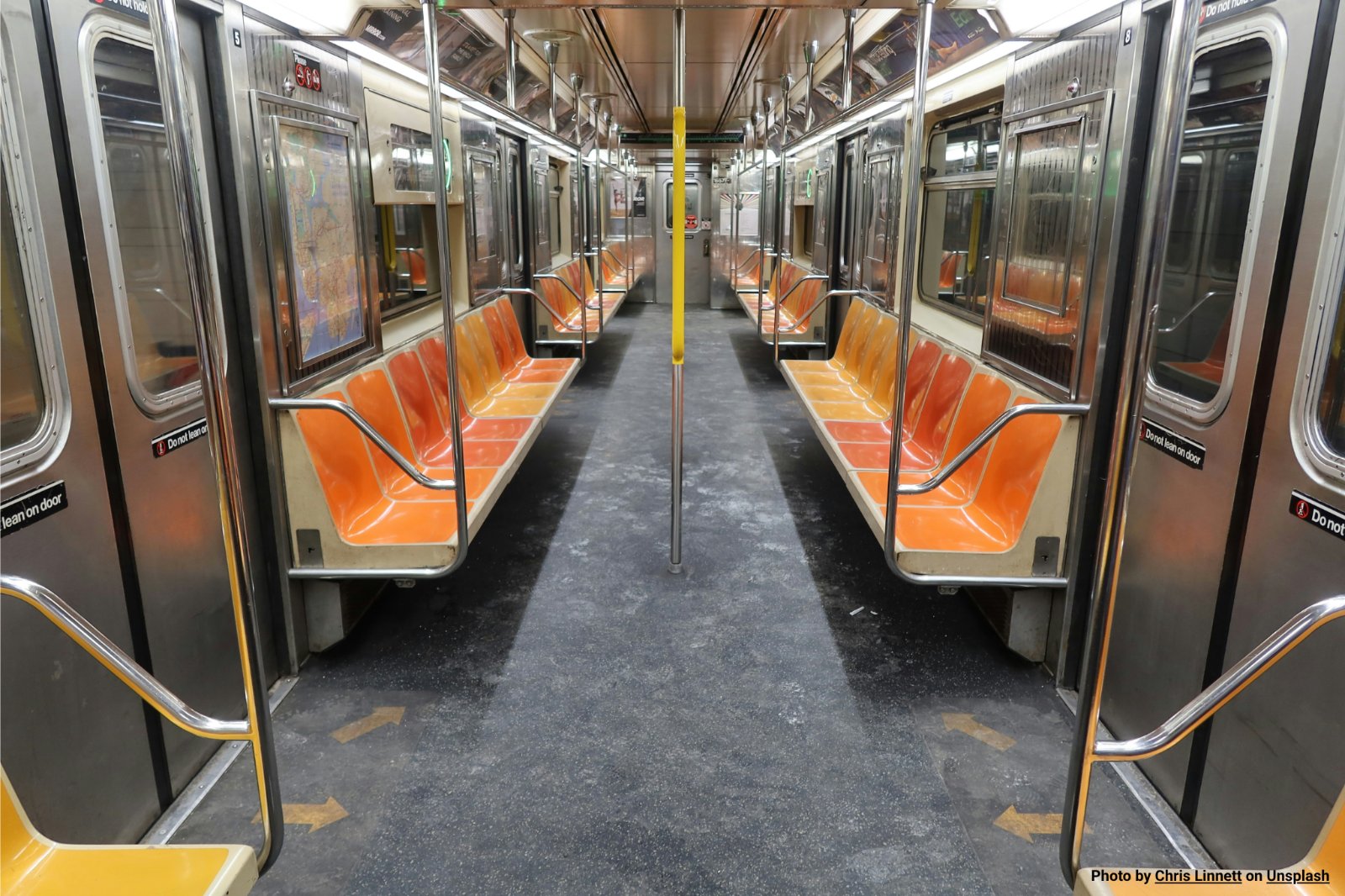
The subway runs 24 hours and reaches most places you'll want to go. It also confuses almost everyone for the first month, so don't take it personally. These are the parts worth knowing.
Pay by tapping. The MetroCard is no longer sold. Tap a contactless card or a phone at the OMNY reader on the turnstile. If you don't have a contactless option, you can buy a physical OMNY card from a station vending machine for $2.
Know the price. A ride costs $3 as of January 2026. After 12 paid rides in a seven-day period, the rest are free, so you never pay more than $35 a week. The catch is that the cap only works if you use the same card or device every time. The OMNY website lets you see how many rides you have left before you hit it.
Transfers are free within a window. Moving between the subway and a local bus costs nothing extra if you do it within two hours and tap the same card or phone. Local buses use the same tap system, so don't count on paying in cash.
Read the entrance sign before you tap. Many stations have separate entrances for each direction, and some won't let you cross over without paying again. Look for the direction, such as Manhattan-bound, and not just the line letter.
Local versus express. Local trains stop everywhere, and express trains skip stations. On the official subway map, white circles mark express stops and black circles mark local-only stops. If your stop is black and you're on an express, you'll sail right past it.
Check before you leave on weekends. Track work can reroute or suspend lines. A quick look at the MYmta app, Google Maps or Citymapper will save you from standing on the wrong platform.
Basic manners. Let people off before you board, take your backpack off in a crowded car, and don't stand in the doorway.
If you take the wrong train, don't panic. Get off at the next stop, look at the map, and switch platforms where the station allows it.
Three lines are worth learning early. The 7 runs through Queens and is mostly elevated. The F links Queens and Brooklyn through Manhattan, and it's the one that takes you from Dumbo to Prospect Park. The G is the only line that never enters Manhattan, and it connects Brooklyn and Queens directly.
Finding your people in a big city
Community here tends to come from small habits you repeat, more than from big events. A few places to start:
Get a library card. Brooklyn Public Library, Queens Public Library and NYPL cards are free for New York residents. Libraries run free classes and book clubs, and cardholders can reserve museum and garden passes through Culture Pass.
Become a regular. Visit the same greenmarket stand or coffee counter on the same day each week. Over time, you turn into a familiar face.
Volunteer outdoors. Prospect Park Alliance and NYC Parks run volunteer days, and community gardens in the GreenThumb network welcome new volunteers.
Read the local news. Neighborhood sites such as QNS (Queens), The Brooklyn Paper, Bronx Times and SILive (Staten Island) cover what's happening on your actual block.
Get an IDNYC card if you qualify. It comes with free memberships to many cultural institutions across the city, which gives you plenty of reasons to leave the apartment.
Using all of this when you're choosing where to rent
Before you sign a lease in any of these neighborhoods, run a few quick tests. None of them cost anything, and each one can save you from a place that looks great in the listing photos.
Do the commute for real. Ride from the nearest station to your workplace at 8:30 a.m. on a weekday. Map apps can understate the true door-to-door time, especially once you add the walk to the station.
Check the tracks. Elevated lines, like the 7 through Queens and the N/W in Astoria, can be noisy. Visit the block during rush hour before you commit.
Walk to the nearest park or market. If you wouldn't make the walk on a rainy Tuesday, you probably won't make it at all.
And one last habit: look at more than one neighborhood along the same line. The feel of the street can shift from stop to stop, and you only learn that by walking it.
Official sources to check before you go
Brooklyn Flea (brooklynflea.com), Queens ect Park (prospectpark.org), Greenmarkets (grownyc.org) and NYC Parks (nycgovparks.org).