
Beyond the Politics: Free Museums, Eastern Market Weekends and a Kayak Under Key Bridge in Washington, DC
Free Smithsonian museums, a weekend at Eastern Market and a kayak under Key Bridge: how to enjoy Washington, DC beyond politics, with hours and prices checked November 2026.
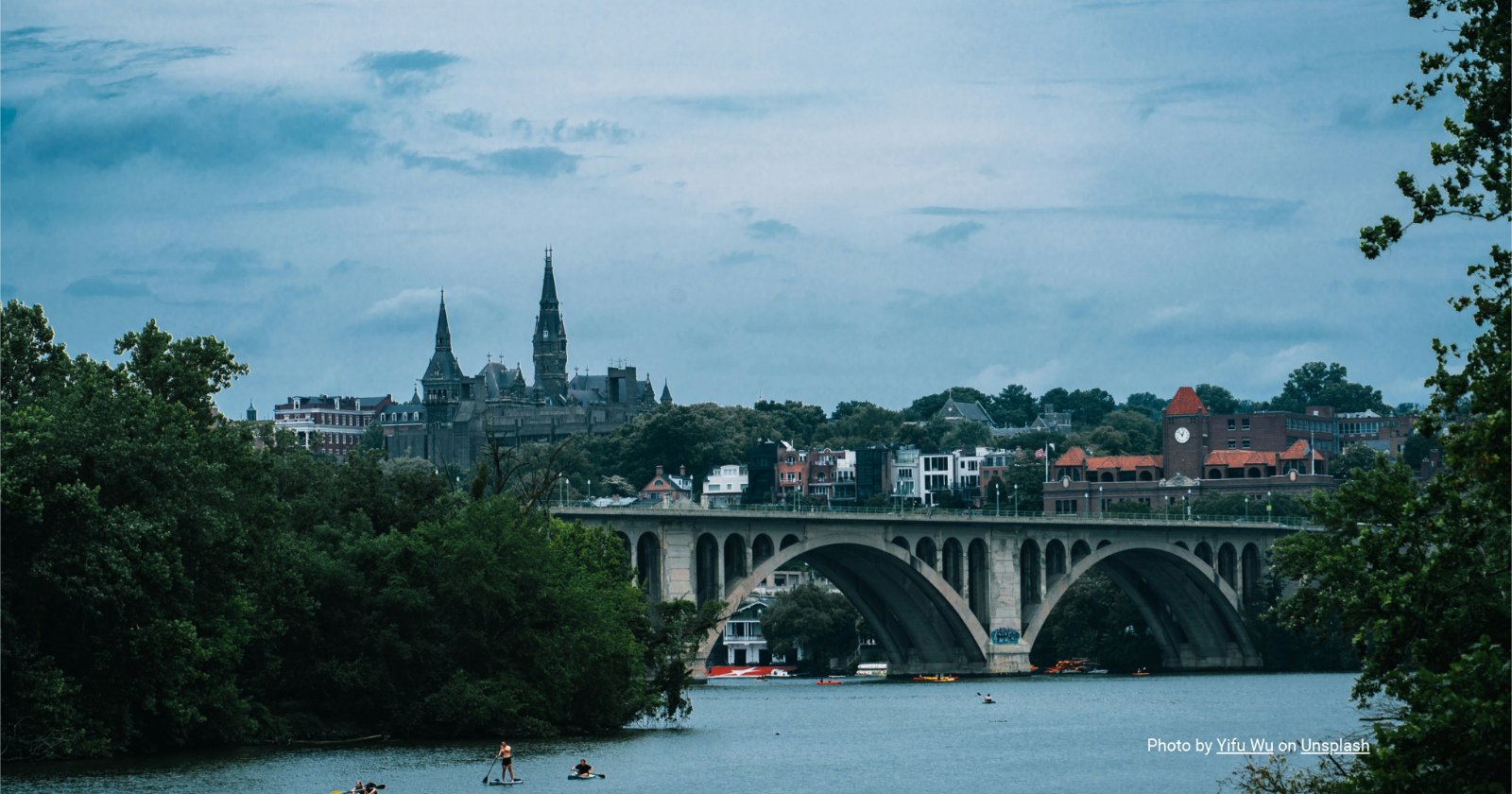
Can you live in Washington without feeling like you live inside the news? If you're about to sign a lease here, it's a fair thing to wonder. The city's reputation shows up before you do: white marble, motorcades, and a lot of talk about what happens behind the doors.
The answer is yes, and plenty of the evidence is free or close to it. This guide covers how to use the Smithsonian without losing a morning to the wrong line, what a weekend at Eastern Market looks like, where you can get on the Potomac in a kayak, and what the Census says about the people who live here. Hours, prices and fares were checked in November 2026, and I've pointed out what shifts with the seasons.
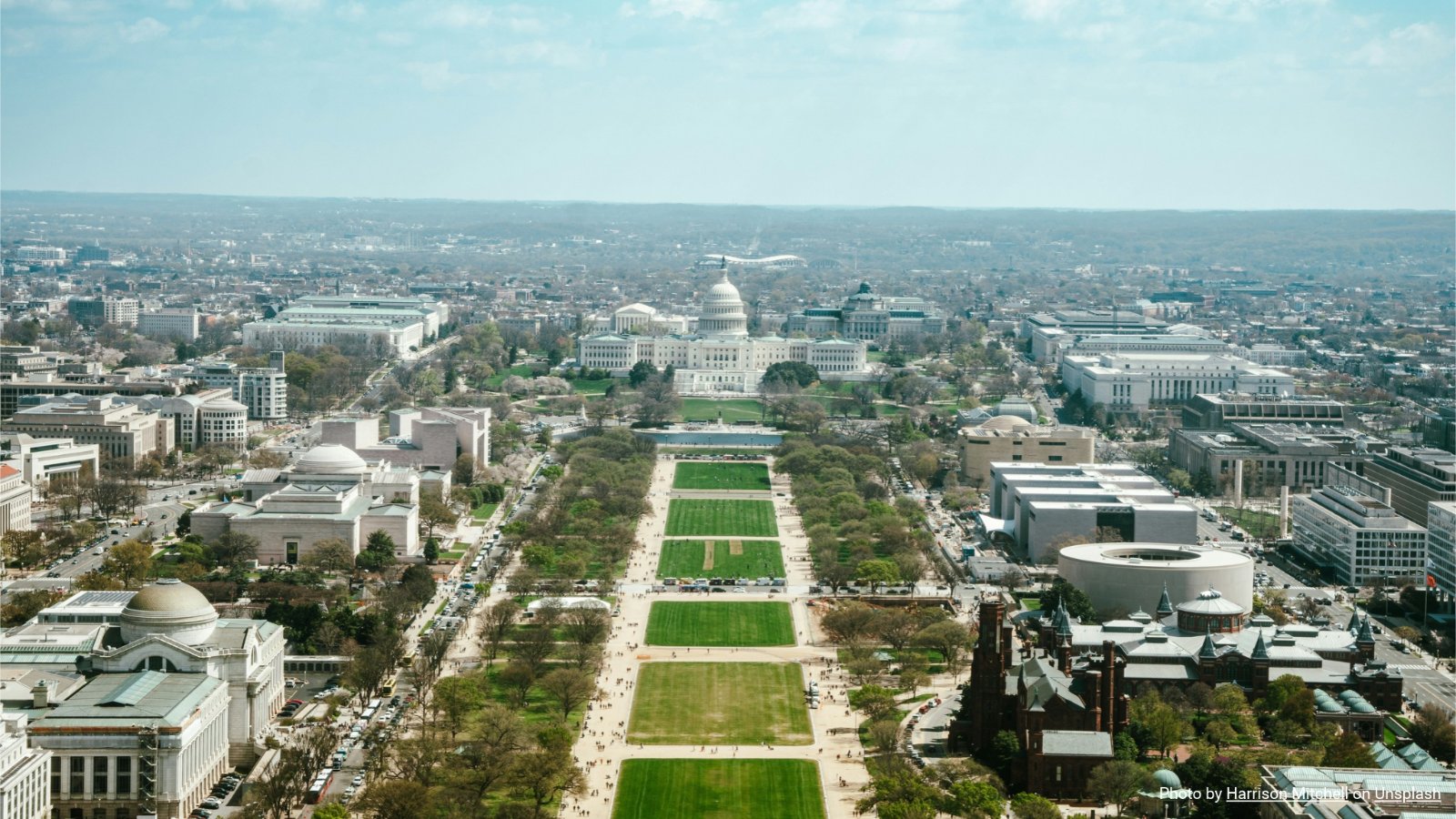
The Smithsonian is free, but three doors need a pass
The Smithsonian runs 21 museums plus the National Zoo, and admission is free everywhere except Cooper Hewitt in New York City. Eleven of the museums sit along the National Mall, spread across roughly a mile. Most open at 10 a.m., close at 5:30 p.m., and stay open every day except December 25.
"Free" doesn't always mean "walk in," though. Three Washington stops ask for a free timed pass:
National Museum of African American History and Culture. Every visitor needs a pass, whatever their age. Hours are 10 to 5:30 Tuesday through Sunday and noon to 5:30 on Monday. You can reserve up to six passes in advance.
National Air and Space Museum. All visitors need a pass regardless of age, one person can reserve up to nine, and the passes arrive by email. Entry slots start every hour from 10 a.m. to 4 p.m., and the Udvar-Hazy Center in Chantilly, Virginia, doesn't use reserved passes.
National Zoo. Admission is free, but each visitor age 2 and up needs a timed ticket, and one person can reserve up to six. Zoo hours vary by season.
Much of the rest is walk-in. The Natural History Museum needs no pass and keeps the same 10 to 5:30 hours daily. The Haupt Garden is open daily from dawn to dusk, and the other outdoor gardens stay open around the clock. That makes the gardens a useful fallback when a museum feels like too much.
A plan that holds up:
Reserve the pass-only museums first. Then build the rest of the day around those time slots.
Pick two museums, not five. The Mall is a mile long, and the African American History museum alone is nearly 400,000 square feet over seven stories.
Use the right Metro stop. For museums on the south side of the Mall, the Smithsonian suggests the L'Enfant Plaza and Smithsonian stations. For the African American History museum, the nearest stops are Federal Triangle and Smithsonian.
Check the hours page the day you go. Not every museum keeps the same schedule. One at 8th and G Streets NW opens at 11:30 a.m. and stays open until 7. The Smithsonian also posts temporary notices at the top of its site. In August 2026 it warned of modified access at three museums during a special event.
Eastern Market on a weekend
Eastern Market has anchored Capitol Hill since 1873. It bills itself as the city's oldest fresh-food market to have operated without a break. The South Hall took heavy fire damage in 2007 and went through a major two-year renovation. The market has been on the National Register of Historic Places since 1971.
Inside, merchants sell meats, poultry, seafood, produce, baked goods and cheeses Tuesday through Sunday. The published hours are 7 a.m. to 7 p.m. Tuesday through Friday, 7 to 6 on Saturday, and 9 to 5 on Sunday. That means you don't need a weekend to use it. A Wednesday grocery run works fine.
The weekend is when it spreads out. A farmers' line sets up outdoors year-round, and a separate outdoor market brings local artists selling handmade crafts and antiques. There's also a Sunday flea market at 7th and C Streets SE, a block from the Eastern Market Metro station, which is served by the Blue, Orange and Silver lines. Because that's the same trio of lines that serves the Smithsonian station, a trip from Capitol Hill to the Mall is a straight ride with no transfer.
Check the market's own site before a special trip. Schedules can change around holidays and festivals.
Getting on the Potomac in Georgetown
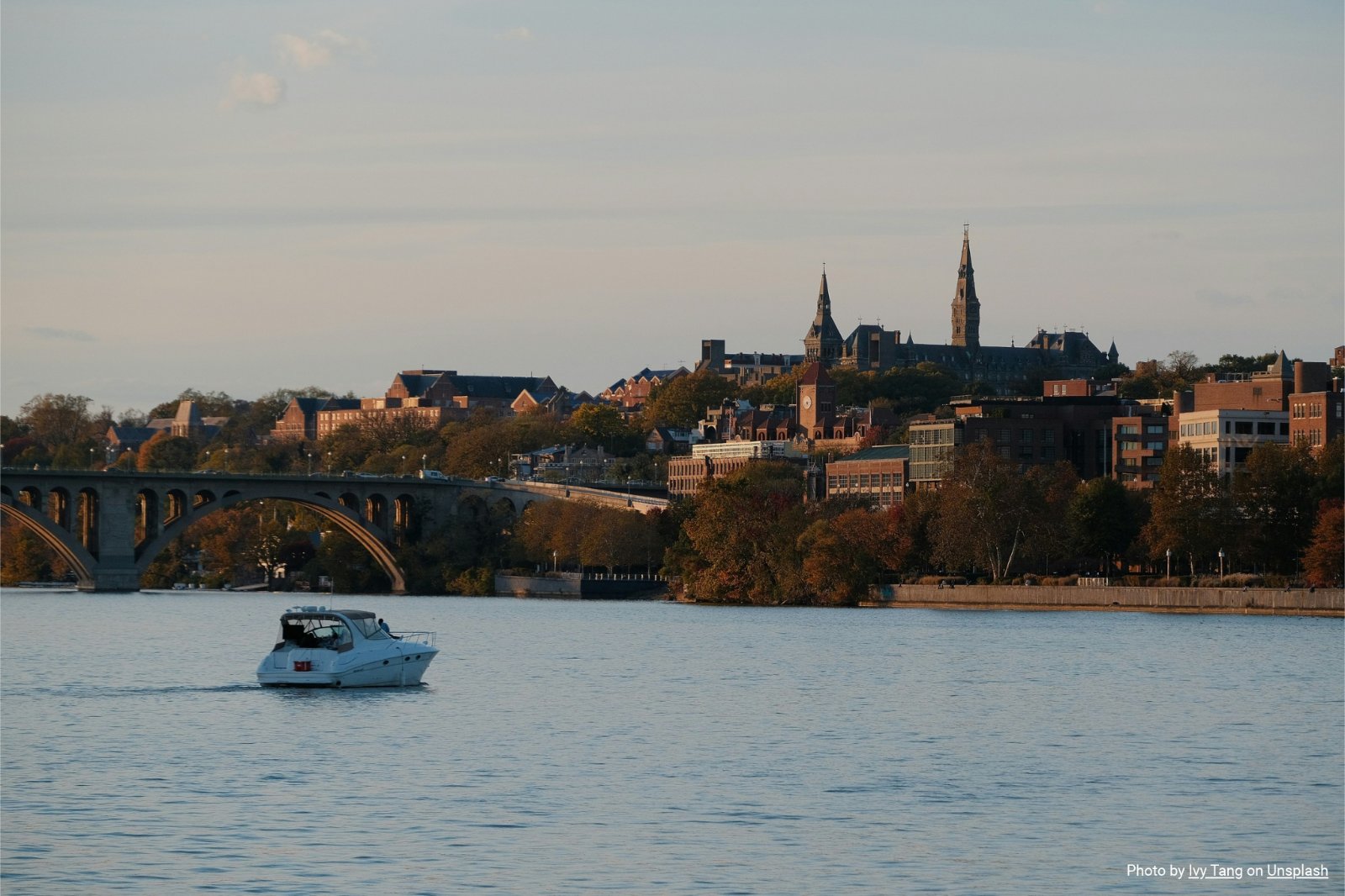
Two boathouses put you on the river: Key Bridge Boathouse at 3500 Water Street NW and Thompson Boat Center at 2900 Virginia Avenue NW. From Key Bridge you can paddle under the span and head toward the Lincoln Memorial and Washington Monument. One local suggestion is to paddle to Theodore Roosevelt Island, pull up for a few minutes and stretch your legs.
The company that runs both boathouses posted its 2026 hourly rates. A single kayak was $22 on weekdays, $24 on weekends and $16.80 on Thursdays. A double kayak was $32, $34 and $23.80. Stand-up paddleboards were priced the same as single kayaks. If you own a boat, a daily hand launch is $6. Rentals include the paddle and a life jacket. Single kayaks are listed for ages 8 and up.
Hours and timing matter more than price here. Thompson posted daily hours of 6 a.m. to 7 p.m. The operator encourages advance reservations and says hours can change with bad weather or holidays. This is also a seasonal activity. The company's Wharf Boathouse, for example, closes for winter and brings weekend rentals back in April. If your lease starts in winter, plan on walking the shoreline until spring.
Getting there takes some thought. Foggy Bottom is the closest Metro station, and Thompson is about a ten-minute walk from it. Key Bridge Boathouse sits farther west, and Time Out pairs the Metro ride with a 38B bus.
If you're staying a while, there's a land route too. Just past Thompson is mile zero of the C&O Canal, which runs 184.5 miles to Cumberland, Maryland.
Two waterfronts you can walk without a boat
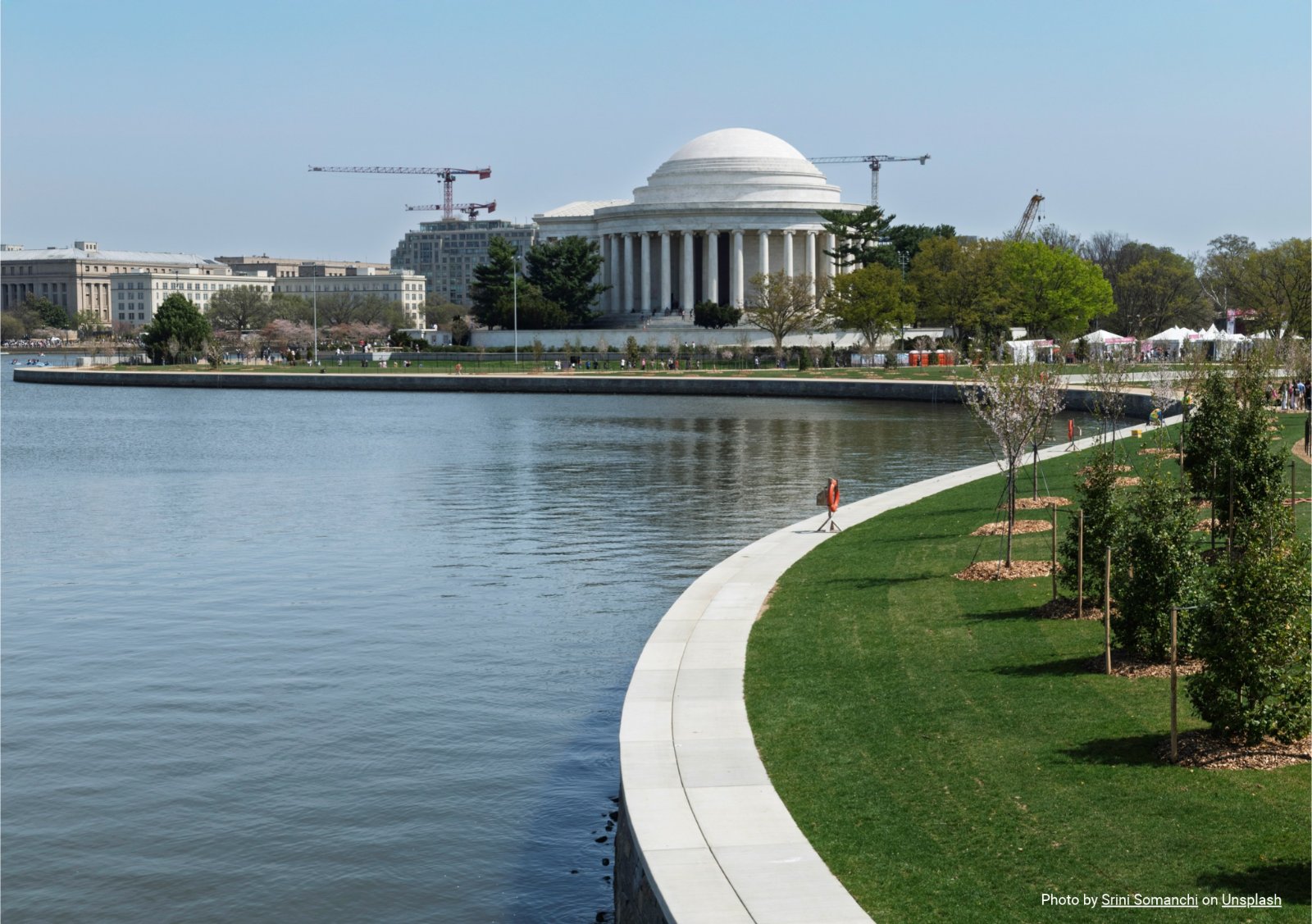
Georgetown Waterfront Park is the easy one. It's a National Park Service park, finished in 2011, that stretches along the river from 31st Street NW to Key Bridge. The land was acquired for a freeway that never got built, and the city eventually handed ten acres to the Park Service. A concrete promenade runs the park's full length, with stone steps down to the water and a fountain near 31st Street. The fountain runs seasonally. From the promenade you can see Theodore Roosevelt Island, Key Bridge and the Kennedy Center. One detail is easy to miss. Where a crumbling concrete wall once stood, the Park Service planted a living shoreline of native plants.
The Anacostia side of the city gets less attention from visitors. The Anacostia Riverwalk Trail follows the river from Bladensburg, Maryland, to the Navy Yard. Near the Navy Yard it links the Navy Yard Promenade, Yards Park and Diamond Teague Park. Farther up, it reaches Kenilworth Park & Aquatic Gardens, a Park Service site that's free and open year-round. Navy Yard-Ballpark is one of the Metro stations listed for trail access.
Politics, and the people who live around it
The city's international side is easy to see. More than 170 foreign embassies are here, with a famous cluster along Massachusetts Avenue called Embassy Row. Some of those buildings open to the public once a year in May through a program called Passport DC.
The residents behind that backdrop are a different story, and the Census Bureau gives a clear picture. The July 2025 estimate was about 694,000 people. About 64 percent of residents age 25 and older hold a bachelor's degree or higher, and 14.3 percent were born outside the United States. Roughly 19 percent of residents speak a language other than English at home. The average household is just under two people.
One more figure matters if you're a renter. About 80 percent of residents lived at the same address a year earlier, compared with nearly 88 percent nationally. That suggests neighbors turn over somewhat more than they do elsewhere. It's a city where people arrive from many places, and the free things in this guide are some of the easiest places to meet them.
Moving between all of this
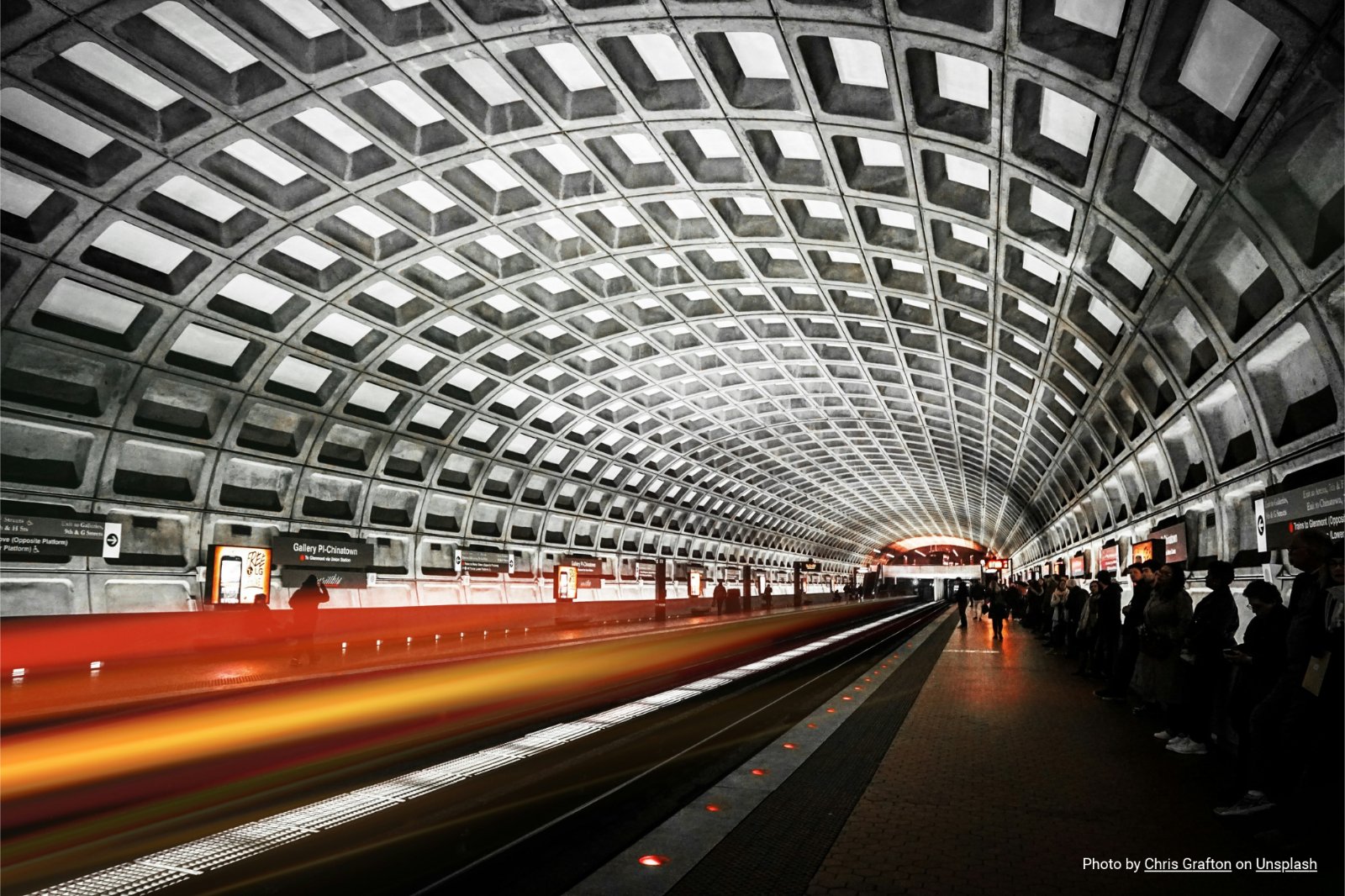
Rail is the simplest way to connect the Smithsonian and Eastern Market. For the money side, here's where things stood in November 2026. Metrorail fares ran from $2.25 to $6.75, depending on distance, and Metrobus was $2.25. The transit agency's board adopted its fiscal 2027 budget in April 2026 without a fare increase. Staff have floated an 11.1 percent increase for fiscal 2028, which would move rail fares to $2.50–$7.50. The board votes next year, and any new prices would start July 1, 2027. If you're reading this after that date, check the current fare table.
Georgetown is the exception to easy rail access, since the nearest Metro stop is Foggy Bottom, as noted above. If a kayak outing is part of your routine, factor in the walk or bus.
Using all of this when you're choosing where to rent
These five checks turn the list above into a lease decision.
Match your anchor to your Metro line. Capitol Hill near Eastern Market and the Smithsonian share three lines. The Georgetown waterfront is a walk or bus from Foggy Bottom. For the Anacostia trail, Navy Yard-Ballpark is the station to look near.
Use the Census rent figure as a reality check, not a quote. The 2020–2024 median gross rent for the District was $1,954. That reflects what current renters pay across all units, so new listings may differ. It's useful for noticing when a listing sits well above or below the norm.
Do a Saturday-morning test. Walk from the listing to the market or boathouse at the hour you'd actually go. Eastern Market's South Hall opens at 7 a.m. on Saturday, and the boathouses open early.
Line up your lease start with your plans. If paddling matters, a spring or summer start gives you the most boathouse access. A winter start means waiting for rentals to reopen.
Ask about lease length and renewals. Only 41.5 percent of homes in the District are owner-occupied, so rentals are plentiful. Ask how renewals and rent increases are handled before you sign.